How AI is Reshaping Digital Marketing in 2025
The digital marketing landscape has always adapted with technology, but in 2025, the variable of Artificial Intelligence (AI) is larger than ever. Companies are not just experimenting with AI – they are infusing AI into their marketing strategies to improve performance, enhance processes, and develop ultra-personalized customer experiences. So how is AI changing digital marketing […]

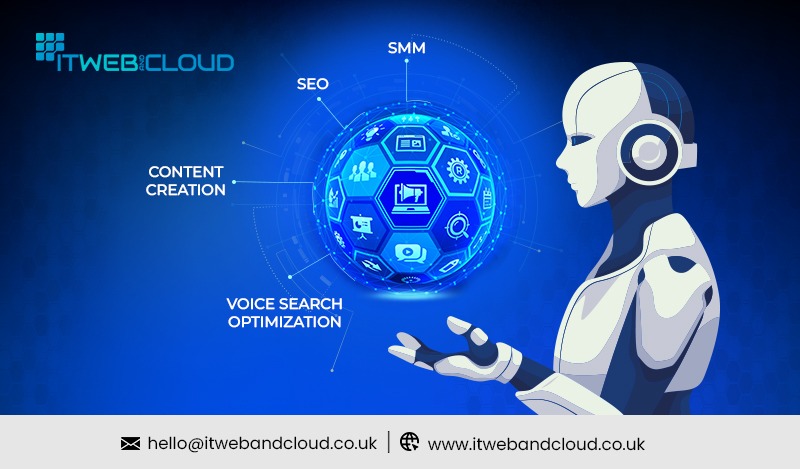
The digital marketing landscape has always adapted with technology, but in 2025, the variable of Artificial Intelligence (AI) is larger than ever. Companies are not just experimenting with AI – they are infusing AI into their marketing strategies to improve performance, enhance processes, and develop ultra-personalized customer experiences.
So how is AI changing digital marketing in 2025? We will outline the newest tools, trends, and uses that are changing the way brands interact with their customers.
1. Personalization at Scale
These days, consumers expect more than just generic advertising or one-size-fits-all messaging from companies. With artificial intelligence, the personalization of digital media has matured beyond just using a customer’s first name. Modern algorithms now analyze user behavior, purchase dates, browsing habits, and social media activity and deliver hyper-personalized campaigns.
For example, e-commerce brands are now using AI to recommend products not only by showing the customer where a recent purchase came from but also by predicting what the customer will need next. Netflix and Spotify are the best examples of this method of leveraging AI to deliver selection choices that users continue to sort through.
For companies like ItWebAndCloud, personalization generated through AI means they can deliver strategies that help maximize conversions at the same time and lessen the time it takes to segment manual lists. This is a strong example of how AI is disrupting the digital marketing space.
2. Smarter Content Creation
Content is still king, but producing quality, engaging, and SEO-friendly content all the time can be hard work. AI tools (like ChatGPT, Jasper, and Copy.ai) are giving marketers an opportunity to produce blog posts, ad copy, product descriptions, and videos in seconds.
While AI tools can come up with ideas and generate drafts, the human creator is still needed to ensure the content reflects their brand’s personality and uniqueness. When humans and AI collaborate, that is where the magic happens.
Example: A digital marketing agency customer initially used an AI tool to produce an outline for a travel tips blog for the client, but the agency’s writers made it work with the final touches tone, storytelling, and emotional connection were what connected with people.
This is further evidence that AI is changing digital marketing while humans still remain essential to the process.
This collaboration demonstrates yet again how AI is reshaping digital marketing without removing the human element.
3. Predictive Analytics and Data-Driven Decisions
In 2025, predictive analytics using AI has taken over, and it is redefining the roster. Businesses are now able to anticipate customer behavior, rather than react to it.
The lesson here is that AI tools can sift through vast data repositories and point organizations to future behaviors (e.g., customer churn, seasonality, product preference). With this data, organizations can tailor campaigns, budgets, or product lines to a customer before they even think about making a purchase.
Imagine a distributor of clothing; if an AI program can determine the next breakout clothing style months before it actually hits the market, a smart distributor can launch a media campaign well ahead of an actual customer purchase! If the AI doesn’t provide pre-campaign insight to a buyer, the opportunity to place a product in best buy stores ahead of competitors is significantly more challenging.
Predictive analytics is a clear indicator of how AI is reshaping digital marketing by making decisions more data-driven and efficient.
4. AI-Powered SEO
SEO has always changed, but now it is evolving with AI. Tools like Clearscope, Surfer SEO, and SEMrush are all AI-driven tools that allow companies to analyze search intent, find opportunities to rank, and help optimize their content.
Voice searching and the use of more conversational language are also on the rise, thanks to AI-powered voice assistants like Siri and Alexa. Marketers must now consider conversational queries versus just short-tail keyword targeting.
Example: Instead of just targeting “best digital camera” as a keyword, AI tools take it a step further and recommend optimizing for a voice search query such as, “What is the best digital camera under $500 for beginners?”
This specific request only proves how AI is changing digital marketing and how it influences SEO strategies.
5. Smarter Ad Targeting and Programmatic Advertising
In 2025, programmatic advertising—where AI automates the buying and placement of ads—has reached a new level of sophistication. AI can now analyze audience data in real time to ensure ads are served at the right time to the right people.
Example: A fitness company advertising yoga mats could use AI to serve ads to health-attentive consumers recently searching to download apps for meditation or following influencers in the wellness space. Not only does this reduce the ad spend wasted on showing ads to people who are not likely to engage, but it also greatly increases brand ROI!
Agencies providing digital marketing services to clients can certainly explore AI-advertising the programmatic space, as AI-driven programmatic advertising will allow for improved client performance, conversion rates and general campaign efficiency. Yet again, AI demonstrates the disruptive nature of technology in terms of better digital marketing outputs.
6. AI in Social Media Marketing
Social media is where brands have the most direct relationship to their audiences, and AI has made that relationship more intelligent than ever. From automatically scheduling posts to analyzing audience sentiment, AI tools are supporting brands in increasing engagement and measuring effectiveness.
Example: Tools like Brandwatch and Sprout Social utilize AI to analyze social conversations, allowing businesses to glean customer sentiment in the moment. This fast-action reporting allows brands to act quickly, create value for their customer relationships, and develop that type of content for social that creates resonance.
For ItWebAndCloud and similar agencies, AI is reshaping digital marketing by making social strategies sharper, more engaging, and more efficient.
7. Chatbots and AI-Powered Customer Service
AI-powered chatbots have become routine digital marketing strategies in 2025. Chatbots respond to customers’ questions instantly, process orders, and take customer recommendations and store them in the bot, all while reducing operating costs.
Example: The skincare brand’s chatbot can direct the customer to the product right for them based on their skin type and issues. The end result is improved customer satisfaction, which correlates with sales.
Chatbots are a clear illustration of how AI is reshaping digital marketing through better customer experience and efficiency.
8. Visual and Voice Search Optimization
With the advancement of AI-powered visual and voice technologies, search behavior has changed dramatically. People are now using Google Lens or typing a voice command to search for products.
Example: Users are uploading a picture of the sneakers they like rather than typing “buy red sneakers,” and AI-powered search engines turn up products that are similar and where to buy them.
Marketers must now optimize their websites to be found via these search functions and uphold the discoverability of their products. This change is one more example of how AI is revolutionizing digital marketing in 2025.
9. AI and Marketing Ethics
As AI advances, so too do the issues of ethics, transparency, and data privacy. Modern consumers want to know how their data is being used, and they want brands to be ethical in regard to AI, too.
Responsible AI use at ItWebAndCloud means placing customer trust first, providing transparency and respecting regulations, like the GDPR. Responsible AI use protects your brand’s reputation and builds long-lasting relationships.
Conclusion
AI is not merely a catchphrase; it’s propelling the evolution of digital marketing for 2025. With hyper-personalization, predictive analytics, AI-powered SEO, and AI-powered customer service, brands using AI find themselves ahead of their competition.
The challenge is not just using AI; it’s using AI in ways that enhance human creativity, build trust, and produce new brand accountability tracking initiatives. When AI functions alongside new digital marketing aids like Memphis SEO and Memphis digital marketing services, brands can create meaningful connections that last with today’s consumers.
